How to Reduce Stress Quickly: 5 Safe Ways

February 26, 2026

When deadlines mount and pressure builds, you need to know how to reduce stress quickly. Time is critical, and minutes matter. Calm yourself using these quick, safe ways.

reduce stress quickly
Photo by Scott Osborn on Unsplash

Why Calmness Matters to Reduce Stress Quickly

Learning to reduce stress quickly is essential for restoring calm in the safest, gentlest manner. Anyone can do this, anywhere, and nearly anytime. The sooner you quiet your racing heart, pounding pulse, and feeling of helplessness, the faster you regain control. Besides, you make better decisions when you’re calm and unstressed. Bottom line: Learn to fix your stress.

reduce stress quickly
Photo by Rachel Ruquet on Unsplash

Humming Is an Excellent Stress Reliever

You don’t need to be musical to benefit from humming to lower your stress. Admittedly, this sounds too simple. But it definitely works. When you need a quick way to calm your nerves and reorder your thoughts, hum your favorite tune. Or hum the scale, no particular melody, and whatever gets the sound going.

What Is the Mechanism of How Humming Lowers Stress?

Research reported by Trivedi et al. (2023) found that humming lowers stress and heart rate while simultaneously increasing heart rate variability. Translation: Humming works to calm you down and lower stress. In the study, the only activity that reduced stress more was sleep, a finding that warrants further investigation.

How to do it:
  • Inhale for 4-6 seconds.
  • Exhale for 6-8 seconds while humming a bee sound. Alternatively, gently make a sound like “mmmm.”
  • Relax and repeat for a duration of up to 10 minutes.
reduce stress quickly
Photo by Jeroen Hoogeveen on Unsplash

Take a Walk Outside to Restore Calm Rapidly

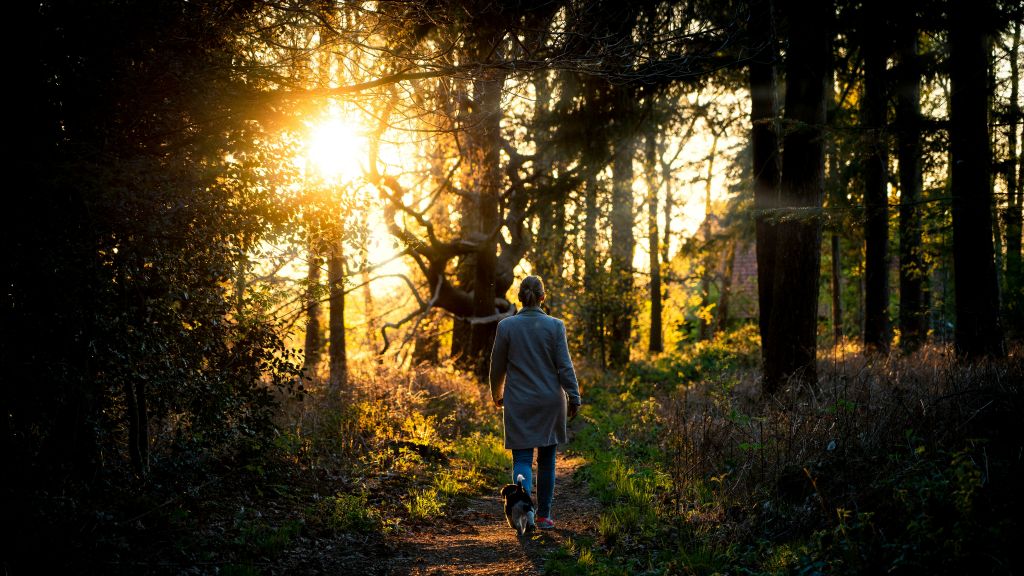
When I feel anxious, nervous, or stressed, it’s time for a break. I like to get outside in the fresh air and take a semi-rapid walk. However, I vary the pace with some slower steps in between. The key is to breathe deeply, so you get sufficient oxygen into your lungs. Since I live in a hilly area, it’s easy to go from a leisurely pace to a more challenging one.

Another great way to feel stress melting away is to walk a nearby trail. Again, I’m fortunate that there are some nice trails of varying lengths and difficulty within a few blocks or a short drive.

Besides, the best part of taking a walk outside is that it is free, you can do it anywhere, and the time you take is your own decision. Think of the benefits, and walking can become your new favorite pastime.

How to do it:
  • Wear comfortable shoes, preferably sneakers designed for walking, running, or training.
  • Dress for the weather. It’s better to remove a sweater than be too cold because you forgot.
  • Allow yourself sufficient time to start and finish your walk. If you only have 20 minutes, that means you’ll need to start back 10 minutes into the walk.
  • Enjoy being outside. More than anything else, you want to find this pleasurable. That makes you feel even better. Try walking for quick stress relief.
reduce stress quickly
Photo by Shenpengpeng on Unsplash

How Does Vigorous Physical Exercise Reduce Stress Quickly?

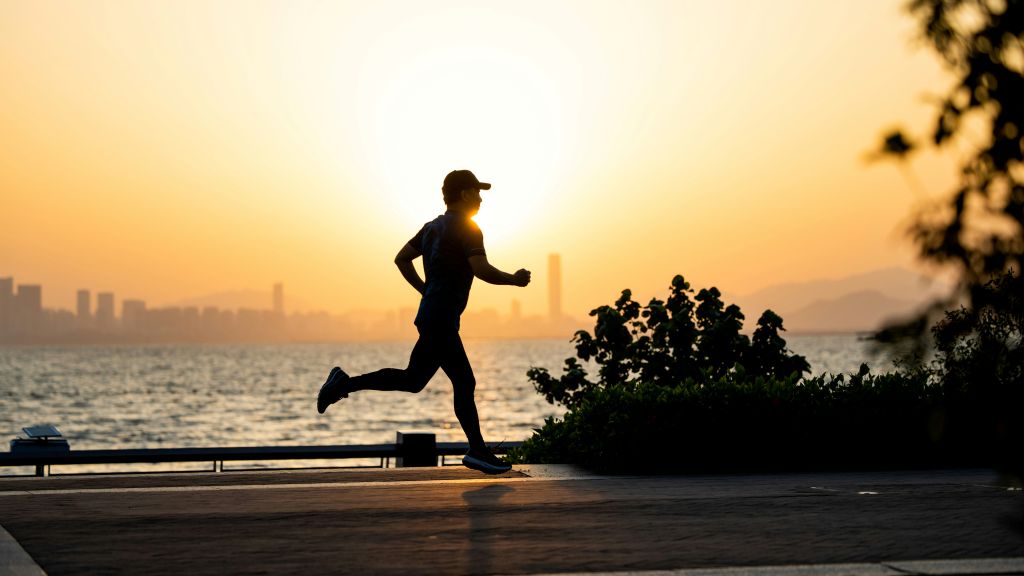
While walking is exercise and can be vigorous, I’m referring here to physical exercise that works up a sweat. Think of the types of exercise you do in a gym with resistance bands, strength-building machines, working with weights, and overall body workouts.

A 2014 study published in Sports Medicine reviewed the literature on the effects of stress related to exercise and physical activity. Interestingly, although some find that stress interferes with attempts to be physically active, others experience reduced stress from vigorous physical exercise. To qualify, it must be planned, repetitive, and structured. However, such exercise can be part of leisure, daily living, occupation, or a means of active transportation.

When you exercise, your body releases endorphins. These are the so-called “feel-good” chemicals or natural pain relievers. Additionally, dopamine and serotonin increase with exercise. These help you feel better emotionally and physically, and you also feel more satisfied. All this with just a short period of working out!

How to do it:
  • Consider a gym workout for an hour, two to three times a week.
  • Alternatively, you can join a neighborhood group or other leisure sports or recreational activity.
  • There’s also working out at home with weights, bands, and equipment.
  • However, avoid thinking of this as a task. Try to make it fun. Vary your workouts to maintain your interest.

reduce stress quickly
Photo by Darius Bashar on Unsplash

Practice Deep Breathing

Everyone breathes, so how does deep breathing help quash stress? Here are the basics on how to best restore calm through deep breathing:

  • Deep breathing halts the fight-or-flight response. This is crucial for lowering heart rate, untensing muscles, and reducing cortisol, all of which are elevated during stress.
  • When you are stressed, your heart rate variability (HRV) is what measures how calm you are. Deep breathing increases HRV and brings your heart and lungs to a calmed rhythm.
  • Furthermore, deep breathing changes your brain activity by producing increased alpha brain waves. These are the brain waves aligned with relaxation, reduced anxiety, and better mental clarity.
  • Your emotional state shifts with slower, deep breathing. Thus, you feel more alert, comfortable, relaxed, and cheerful. Simultaneously, you’re less anxious, sad or depressed, confused, or angry.
  • Finally, deep breathing helps you regain balance lost due to chronic stress. It does so by restoring blood pressure and heart rate to normal or baseline levels, reducing muscle tension, and lowering cortisol levels.
How to do it:

Quick Reset

For a quick reset, use the one-minute technique. Inhale 4 seconds through your nose. Exhale through the mouth for 6 seconds. Repeat this exercise 2-8 times.

The 4-7-8 Pattern

The 4-7-8 pattern works this way:

  • Inhale to a count of 4 through the nose.
  • Hold your breath for a count of 7.
  • Exhale slowly to a count of 8.
  • Then, repeat for 4 cycles.

Humming Breath (Vagus-Nerve)

Direct vagus nerve stimulation occurs through humming.

  • The vibrations increase nitric oxide. This helps relax blood vessels.
  • The vibrations work to stimulate the throat and face vagal branches.
  • Practitioners may feel more grounded and warmer in 30 seconds.
reduce stress quickly
Photo by Happy Face Emoji on Unsplash

Do Yoga or Meditate

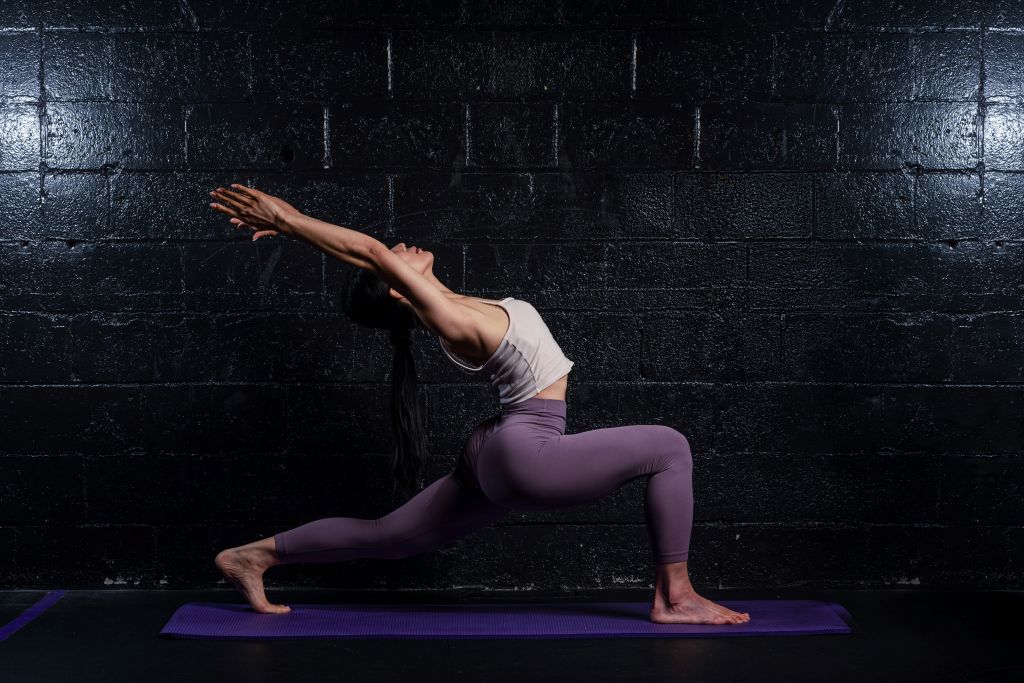
Yoga and meditation are ancient practices that stand the test of time. Not only do they help you achieve a state of peace and calm, but they also support healing from physical, emotional, and psychological issues. As with anything, when you start fresh, there’s a learning curve. Yet you’ll be able to achieve some results quickly. Importantly, yoga offers powerful benefits.

The science behind yoga’s ability to reduce stress is rooted in the feelings of increased self-awareness, well-being, mindfulness, self-control, and self-compassion. On the other hand, mindfulness meditation helps reduce stress by changing how your brain responds to stressors. Meditating helps you lower stress, depression, and anxiety, and also alleviates or reduces fatigue and pain. Briefly, it helps you reduce stress quickly.

reduce stress quickly
Photo by Zulfugar Karimov on Unsplash

How Long Does It Take to Reduce Stress Quickly?

Remember that stress doesn’t take a holiday. Everyday tensions and pressures are bound to occur. So, it isn’t practical to think you can avoid all stress. The key is to have a toolkit of techniques to quickly dispel stress and restore balance.

Still undecided? Try these other ways to learn how to cope with stress. In no time, you’ll be better equipped to reduce stress quickly whenever you need it.

author avatar
75111746 Writer, blogger, editor
My name is Suzanne Kane, and I’m a motivational and passionate blog writer with over 30 years of experience. My mission is to provide thought-provoking blogs and feature articles exploring various topics of interest, including: Health Relationships Coping with Life’s Stresses Research on Anxiety and Depression Mental Health Issues Career How to Live Life to the Fullest and with Purpose
reduce stress quickly

How to Reduce Stress Quickly: 5 Safe Ways

When deadlines mount and pressure builds, you need to know how to reduce stress quickly. Time is critical, and minutes matter. Calm yourself using these quick, safe ways.

reduce stress quickly
Photo by Scott Osborn on Unsplash

Why Calmness Matters to Reduce Stress Quickly

Learning to reduce stress quickly is essential for restoring calm in the safest, gentlest manner. Anyone can do this, anywhere, and nearly anytime. The sooner you quiet your racing heart, pounding pulse, and feeling of helplessness, the faster you regain control. Besides, you make better decisions when you’re calm and unstressed. Bottom line: Learn to fix your stress.

reduce stress quickly
Photo by Rachel Ruquet on Unsplash

Humming Is an Excellent Stress Reliever

You don’t need to be musical to benefit from humming to lower your stress. Admittedly, this sounds too simple. But it definitely works. When you need a quick way to calm your nerves and reorder your thoughts, hum your favorite tune. Or hum the scale, no particular melody, and whatever gets the sound going.

What Is the Mechanism of How Humming Lowers Stress?

Research reported by Trivedi et al. (2023) found that humming lowers stress and heart rate while simultaneously increasing heart rate variability. Translation: Humming works to calm you down and lower stress. In the study, the only activity that reduced stress more was sleep, a finding that warrants further investigation.

How to do it:
  • Inhale for 4-6 seconds.
  • Exhale for 6-8 seconds while humming a bee sound. Alternatively, gently make a sound like “mmmm.”
  • Relax and repeat for a duration of up to 10 minutes.
reduce stress quickly
Photo by Jeroen Hoogeveen on Unsplash

Take a Walk Outside to Restore Calm Rapidly

When I feel anxious, nervous, or stressed, it’s time for a break. I like to get outside in the fresh air and take a semi-rapid walk. However, I vary the pace with some slower steps in between. The key is to breathe deeply, so you get sufficient oxygen into your lungs. Since I live in a hilly area, it’s easy to go from a leisurely pace to a more challenging one.

Another great way to feel stress melting away is to walk a nearby trail. Again, I’m fortunate that there are some nice trails of varying lengths and difficulty within a few blocks or a short drive.

Besides, the best part of taking a walk outside is that it is free, you can do it anywhere, and the time you take is your own decision. Think of the benefits, and walking can become your new favorite pastime.

How to do it:
  • Wear comfortable shoes, preferably sneakers designed for walking, running, or training.
  • Dress for the weather. It’s better to remove a sweater than be too cold because you forgot.
  • Allow yourself sufficient time to start and finish your walk. If you only have 20 minutes, that means you’ll need to start back 10 minutes into the walk.
  • Enjoy being outside. More than anything else, you want to find this pleasurable. That makes you feel even better. Try walking for quick stress relief.
reduce stress quickly
Photo by Shenpengpeng on Unsplash

How Does Vigorous Physical Exercise Reduce Stress Quickly?

While walking is exercise and can be vigorous, I’m referring here to physical exercise that works up a sweat. Think of the types of exercise you do in a gym with resistance bands, strength-building machines, working with weights, and overall body workouts.

A 2014 study published in Sports Medicine reviewed the literature on the effects of stress related to exercise and physical activity. Interestingly, although some find that stress interferes with attempts to be physically active, others experience reduced stress from vigorous physical exercise. To qualify, it must be planned, repetitive, and structured. However, such exercise can be part of leisure, daily living, occupation, or a means of active transportation.

When you exercise, your body releases endorphins. These are the so-called “feel-good” chemicals or natural pain relievers. Additionally, dopamine and serotonin increase with exercise. These help you feel better emotionally and physically, and you also feel more satisfied. All this with just a short period of working out!

How to do it:
  • Consider a gym workout for an hour, two to three times a week.
  • Alternatively, you can join a neighborhood group or other leisure sports or recreational activity.
  • There’s also working out at home with weights, bands, and equipment.
  • However, avoid thinking of this as a task. Try to make it fun. Vary your workouts to maintain your interest.
reduce stress quickly
Photo by Darius Bashar on Unsplash

Practice Deep Breathing

Everyone breathes, so how does deep breathing help quash stress? Here are the basics on how to best restore calm through deep breathing:

  • Deep breathing halts the fight-or-flight response. This is crucial for lowering heart rate, untensing muscles, and reducing cortisol, all of which are elevated during stress.
  • When you are stressed, your heart rate variability (HRV) is what measures how calm you are. Deep breathing increases HRV and brings your heart and lungs to a calmed rhythm.
  • Furthermore, deep breathing changes your brain activity by producing increased alpha brain waves. These are the brain waves aligned with relaxation, reduced anxiety, and better mental clarity.
  • Your emotional state shifts with slower, deep breathing. Thus, you feel more alert, comfortable, relaxed, and cheerful. Simultaneously, you’re less anxious, sad or depressed, confused, or angry.
  • Finally, deep breathing helps you regain balance lost due to chronic stress. It does so by restoring blood pressure and heart rate to normal or baseline levels, reducing muscle tension, and lowering cortisol levels.
How to do it:

Quick Reset

For a quick reset, use the one-minute technique. Inhale 4 seconds through your nose. Exhale through the mouth for 6 seconds. Repeat this exercise 2-8 times.

The 4-7-8 Pattern

The 4-7-8 pattern works this way:

  • Inhale to a count of 4 through the nose.
  • Hold your breath for a count of 7.
  • Exhale slowly to a count of 8.
  • Then, repeat for 4 cycles.

Humming Breath (Vagus-Nerve)

Direct vagus nerve stimulation occurs through humming.

  • The vibrations increase nitric oxide. This helps relax blood vessels.
  • The vibrations work to stimulate the throat and face vagal branches.
  • Practitioners may feel more grounded and warmer in 30 seconds.
reduce stress quickly
Photo by Happy Face Emoji on Unsplash

Do Yoga or Meditate

Yoga and meditation are ancient practices that stand the test of time. Not only do they help you achieve a state of peace and calm, but they also support healing from physical, emotional, and psychological issues. As with anything, when you start fresh, there’s a learning curve. Yet you’ll be able to achieve some results quickly. Importantly, yoga offers powerful benefits.

The science behind yoga’s ability to reduce stress is rooted in the feelings of increased self-awareness, well-being, mindfulness, self-control, and self-compassion. On the other hand, mindfulness meditation helps reduce stress by changing how your brain responds to stressors. Meditating helps you lower stress, depression, and anxiety, and also alleviates or reduces fatigue and pain. Briefly, it helps you reduce stress quickly.

reduce stress quickly
Photo by Zulfugar Karimov on Unsplash

How Long Does It Take to Reduce Stress Quickly?

Remember that stress doesn’t take a holiday. Everyday tensions and pressures are bound to occur. So, it isn’t practical to think you can avoid all stress. The key is to have a toolkit of techniques to quickly dispel stress and restore balance.

Still undecided? Try these other ways to learn how to cope with stress. In no time, you’ll be better equipped to reduce stress quickly whenever you need it.

author avatar
75111746
Writer, blogger, editor

My name is Suzanne Kane, and I’m a motivational and passionate blog writer with over 30 years of experience. My mission is to provide thought-provoking blogs and feature articles exploring various topics of interest, including: Health Relationships Coping with Life’s Stresses Research on Anxiety and Depression Mental Health Issues Career How to Live Life to the Fullest and with Purpose

Share:

Recent Articles

Comments

author avatar
75111746 Writer, blogger, editor
My name is Suzanne Kane, and I’m a motivational and passionate blog writer with over 30 years of experience. My mission is to provide thought-provoking blogs and feature articles exploring various topics of interest, including: Health Relationships Coping with Life’s Stresses Research on Anxiety and Depression Mental Health Issues Career How to Live Life to the Fullest and with Purpose