You know it’s essential to pay attention, and you may think you’re pretty good at it. But are you getting the most out of every moment? Here’s how to improve.
“The best way to capture moments is to pay attention. This is how we cultivate mindfulness. Mindfulness means being awake. It means knowing what you are doing.” – Jon Kabat Zinn.

Your Ability to Pay Attention Matters
Are you often distracted and find it hard to pay attention? Everyone experiences this at times, and it’s generally not a cause for concern. Additionally, do you sometimes wonder what you will do next? Again, this happens to nearly everyone and, similarly, it isn’t concerning. After all, you want to live your best life and thrive.
But you may still find this worrisome. It may not be that you’re forgetful, and you’re probably not on the brink of Alzheimer’s disease. You may simply be trying to juggle too many things at once. Here’s where it’s crucial to develop your skills of simplicity, patience, and compassion.
However, the readily available solution is easy enough to implement. You only need to commit to it. So, what is that solution? It’s to pay attention.
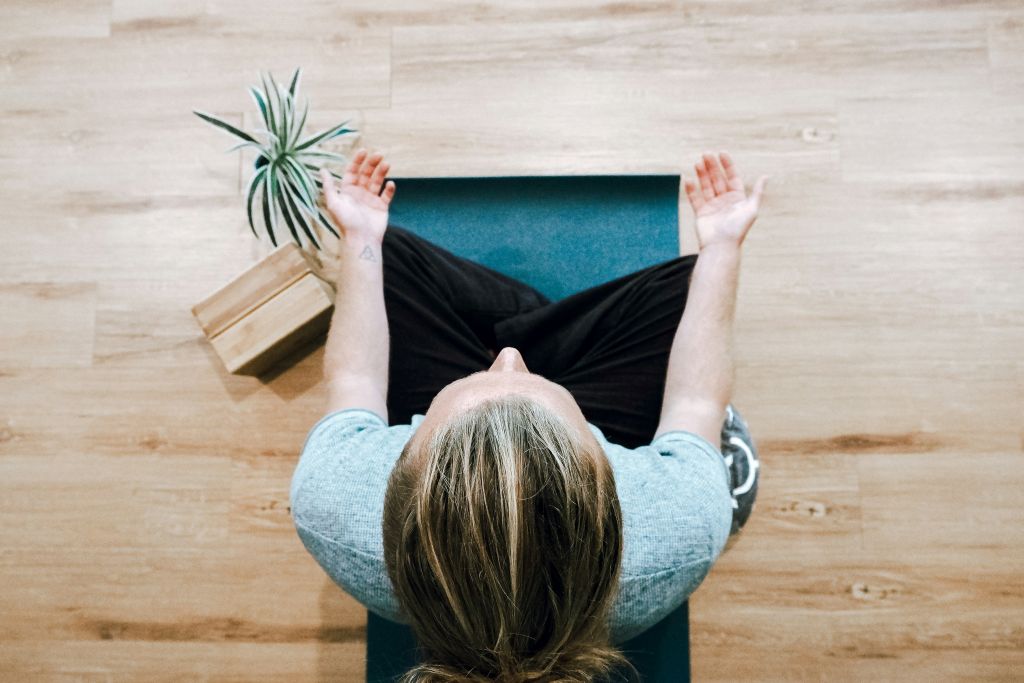
Use Mindfulness Tips to Be More Present
First, make a conscious effort to be in the here and now. This helps reduce the tendency for your mind to get hijacked by competing and often conflicting demands, worries, anxieties, fear, and confusion. Besides, now you’re better able to appreciate the genuineness and richness of the moment.
So, pay attention to the present. It can help you fully experience life’s joy. For example:
- You want to savor your child’s first words or when they take their first few steps.
- Many family celebrations are exciting, chaotic, and memorable. So, you want to take it all in and rejoice together.
- How about the first kiss with a new partner?
- Another memorable time to be more present is celebrating a victory with your co-workers.
So, whatever it is, learn to pay attention to the present.

Pay Attention Through Mindfulness
This is easy enough to say, but not always that easy to do. People often discuss being mindful without fully understanding what mindfulness truly entails. If you ask them, they’ll say they want to be mindful. But how do they go about it? Additionally, do you need to be a meditation expert to learn how to cultivate mindfulness?
The answer is no, you don’t need years of practice. But you do need to practice. It won’t come easily, learning how to see, feel, and know what you’re doing at every moment. The National Institutes of Health offers important tips about mindfulness and living moment by moment.
Furthermore, your thoughts will wander off. You’ll be thinking about dinner, your sore back from working in the garden, or noisy nearby co-workers. Also, it isn’t just a matter of turning everything off.

How to Deal with Distractions and Go With the Flow
If you can’t just turn off all distractions, what do you do? Those who regularly practice meditation will tell you that there will be times when you have to go with the flow.
- Recognize and accept that distractions will happen. Your goal is to recognize them, not place too much emphasis on them, and let them go. Here are more tips on how to deal with distractions and cope.
- But how do you let them go? Like water flowing under a bridge, you can see them and let them pass on by. They won’t take away from the moment, and you’ll be fully aware of what’s happening with you and around you.
- Also, ensure you have plenty of quiet time. This is a fantastic way for you to center yourself and cultivate calmness in the midst of distractions.
This is how you begin to cultivate mindfulness. It’s also how to learn how to pay attention. Remember, you want to be awake in the moment so you appreciate and enjoy every minute of life now.